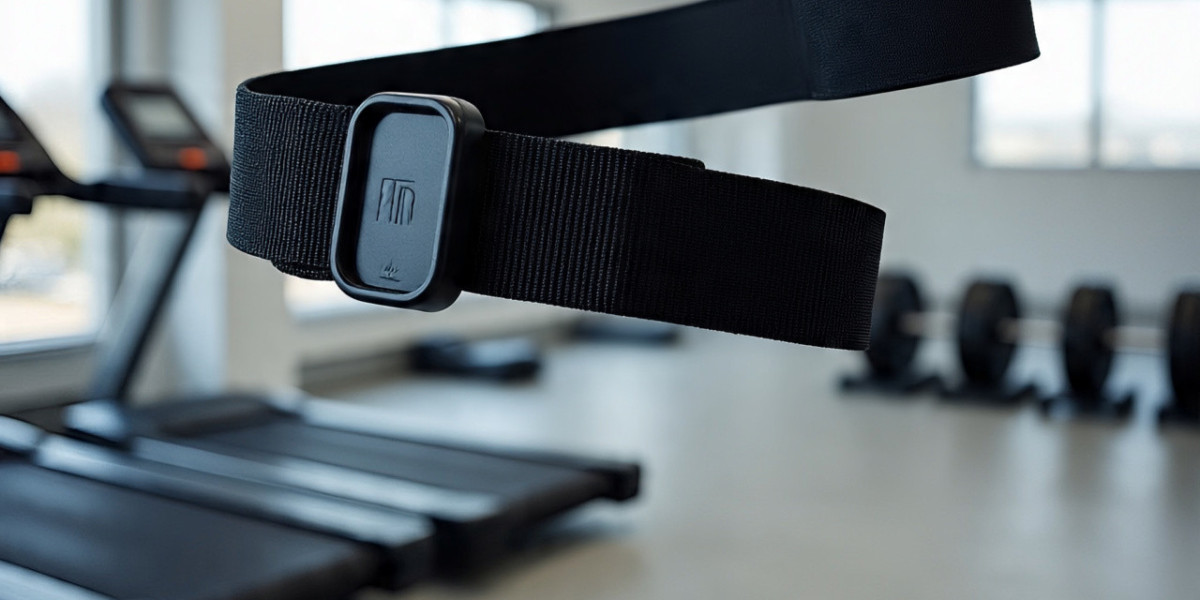
Swimming feels light and free, yet every stroke quietly pushes your heart to work hard beneath the surface. Unlike runners who glance at a wristwatch or cyclists who peek at a handle‑bar computer, most swimmers still train by guesswork. That guess ends with the HR Sensing Goggle Strap. This clever replacement strap hides a gentle heart‑rate sensor beside your temple and streams live numbers without adding bulk or breaking rhythm. Slip it through your favorite goggles, pair it once, and every lap turns into clear, helpful feedback. In the next few pages you will learn, in very simple language, how the HR Sensing Goggle Strap works, why it matters, and how to care for it. Six plain headlines—each only five to seven words long—guide the journey, followed by a short conclusion and an easy FAQ. Read on and discover how a tiny strap can make your swimming safer, smarter, and more fun.
Understanding HR Sensing Strap Technology
The HR Sensing Goggle Strap is a normal‑looking silicone band hiding a very small but very smart piece of technology. Inside the flexible material lives an optical heart‑rate module about the size of a pencil eraser. It contains two tiny lights, often green LEDs, and a light detector called a photodiode. When you swim, the LEDs flash hundreds of times per second into the thin skin near your temple. Each heartbeat changes how much light your blood absorbs. The detector records these little changes and sends them to a microchip sitting right beside the lights. In less than a blink, the chip turns raw light waves into beats‑per‑minute numbers.
Because goggles press gently yet firmly on the head, the sensor never loses contact, even during fast flip turns or butterfly kicks. This fixed position means the strap can read your heart far more accurately than a wristwatch that bounces or a chest strap that slides. A coin‑size battery sealed inside the buckle powers the system. Thirty minutes on a magnetic dock fills it up, and that charge lasts six to eight hours of swimming—usually more than a full week of workouts.
The magic does not stop at hardware. The strap uses Bluetooth Low Energy and ANT+ to talk to phones, smartwatches, or pool‑side tablets. If you hate carrying tech to the deck, some models even store up to twenty hours of data in their own memory, ready to sync later. All of this rides in silicone that feels like any ordinary strap, so you will likely forget it is there until you check the rich heart‑rate graph after practice.
Why Swimmers Need Live Heart Data
Most swimmers pace sessions by feel: swim until breath shortens, rest until comfort returns. While this works in a rough way, it often leads to two big problems. First, easy sets creep too hard, raising injury or burnout risk. Second, speed sets fall too soft, robbing gains that only come from real high intensity. The HR Sensing Goggle Strap ends the guessing by showing your heart’s honest response in real time.
For beginners, seeing numbers after just two gentle lengths prevents common mistakes. If your pulse rockets into a red zone, you know technique or breathing needs calm adjustment. Within weeks, you will notice lower beats at the same pace—proof that fitness truly rises even if stopwatch times lag behind. Little victories like this keep motivation high.
Fitness swimmers chasing weight control benefit too. Science says the best fat‑burn range sits around 60–70 percent of your maximum heart rate. The strap lets you stay in that sweet spot instead of drifting too low (wasting time) or too high (triggering sugar‑burn only). A half‑hour swim suddenly becomes a precise, reliable workout.
Competitive athletes unlock even deeper insights. Coaches can see live heart curves for each lane, adjusting intervals so nobody sandbags or overreaches. If yesterday’s bike ride still stresses a triathlete’s system, today’s pool heart rates will sit higher than usual—a warning to dial back load. During taper, a dropping morning pulse paired with steady splits signals peak readiness. All these fine details come from one silent strap that never gives opinions, only facts.
Easy Setup In Three Simple Steps
One worry with new tech is complicated setup. The HR Sensing Goggle Strap fixes that with three child‑friendly steps. Step 1: Pop the old strap out of your goggle eyelets. Feed the new band through those same slots, sensor pod facing outward, buckle centered at the back. Tighten until eyecups seal without pinching—use the “two‑finger rule,” slipping two fingertips under the strap. Step 2: Download the free companion app on your phone, open Bluetooth, and tap “Add Device.” The strap’s name appears; select it and follow the quick prompt for age and weight. A ten‑second resting scan confirms strong contact. Step 3: Charge the band (only for the first use) until the LED on the dock turns green. That is it—no tools, no passwords, no extra parts.
From now on the strap wakes the moment you move. It beams live beats to any connected smartwatch or stores them until you hit “sync” after practice. If you switch goggles—for racing, training, or kids’ lessons—just unthread and rethread; the sensor and memory stay unchanged. Because pairing happens once, future swims require zero setup. Slip on goggles, push off, and the strap quietly does its job.
Training Smarter With Heart Rate Zones
Raw numbers mean little unless you know what they imply. The companion app for the HR Sensing Goggle Strap creates five color bands based on your highest pool heart rate:
Zone 1 (50–60 %) – gentle warm‑ups, drill sets, cool‑downs
Zone 2 (60–70 %) – aerobic endurance, fat‑burn focus
Zone 3 (70–80 %) – steady threshold, tempo swimming
Zone 4 (80–90 %) – high‑intensity race‑pace work
Zone 5 (90–100 %) – explosive sprints, max effort bursts
During a session, your watch can vibrate: one buzz if you drop below target, two quick taps if you overshoot. This keeps long aerobic sets truly easy—saving energy for hard days—and ensures sprint sets actually reach the red zone. After practice, colorful graphs show exactly how many minutes you spent in each band. If an “easy” swim reveals too much yellow or orange, you know to slow next time. If sprint day looks green, rest was too long or pace too shy.
Over months, trends become clear. Resting heart rate falls, recovery slopes get steeper, and Zone 3 pace climbs. These concrete markers beat vague feelings and help you celebrate real progress, even if stopwatch PBs take time to appear. For triathletes, exporting swim data next to run pace and bike power balances whole‑body stress. For masters clubs, projecting lane averages on a pool‑side screen turns heart‑rate control into a friendly game that lifts everyone’s quality.
Comfort And Accuracy Beat Old Gadgets
Chest belts squeeze ribs and slide during backstroke kicks. Wrist watches lose optical contact whenever your arm slices underwater. The HR Sensing Goggle Strap dodges both flaws by sitting steady on your head. Temple skin hardly moves relative to the sensor, meaning fewer dropouts and smoother curves. Tests show the strap stays within three beats per minute of medical‑grade ECG straps in steady freestyle and within six beats even during dolphin kicks—far tighter than most wrist wearables.
Comfort joins accuracy. Weighing less than fifteen grams, the band adds no drag and never jars during push‑offs. Soft, hypoallergenic silicone prevents hair pulls and skin rash, making it safe for kids and sensitive scalps. Because it simply replaces a part you already wear, nothing new dangles or flaps—maintaining streamlined form crucial for speed.
Signal stability is another advantage. A watch antenna moves in and out of water, causing Bluetooth gaps. The strap’s short path to a deck tablet or onboard memory keeps packets safe. Even if you leave tech in a locker, built‑in storage preserves up to twenty hours of swims, ready to sync later. These design choices give the HR Sensing Goggle Strap a rare combo: race‑day comfort plus coach‑level precision, all in one invisible package.
Care Tips For Long Strap Life
High‑tech or not, good gear lasts longer with small daily habits. After every swim, rinse the HR Sensing Goggle Strap under cool tap water for ten seconds. This washes away chlorine crystals or sea salt that can dull the optical lens or corrode pins. Shake gently and lay flat on a towel; silicone dries quickly. Once a week wipe the sensor window and charging pads with a microfiber cloth dipped in diluted dish soap, then rinse. Avoid harsh chemicals—they fog plastic and age silicone.
Store the strap loosely coiled in a cool, shaded spot. Extreme heat, like a closed car on a sunny day, shortens battery life. Charge when your app shows below twenty percent. Thirty minutes on the magnetic dock usually tops it off. Leaving it on longer will not overcharge; smart circuitry stops flow at 100 percent.
Check the app monthly for firmware updates. Developers keep polishing algorithms, often squeezing extra accuracy or battery run‑time from existing hardware. Updating takes three minutes and costs nothing. If you ever trim the band for a child, use sharp scissors and round the edge with a nail file to prevent micro‑tears.
Follow these easy steps and your HR Sensing Goggle Strap will deliver thousands of laps of reliable, safe data—no surprises, no mid‑set failures, just smooth numbers every time you dive.
Conclusion
Swimming without feedback is like driving without a dashboard—you can move, but you never know how the engine feels. The HR Sensing Goggle Strap lights up that hidden dashboard with zero hassle. It looks and feels like an ordinary band yet charts your heart’s story in real time, guiding beginners, fitness fans, and elite racers alike. With fast setup, gentle comfort, and lab‑grade accuracy, the strap turns each practice into informed progress and each race into a smarter effort. Rinse it, charge it, trust it, and let your own heartbeat lead you toward healthier, happier, and more effective swimming.
Frequently Asked Questions
Q1. Will the HR Sensing Goggle Strap fit any brand of goggles?
Yes. The strap uses a universal 20 mm width and threads through standard eyelets. Simply replace your old band; no adapter needed.
Q2. How accurate is the heart‑rate reading?
Independent pool tests show accuracy within three to five beats per minute of ECG chest straps during steady laps and within six beats during rapid turns—excellent for training and safety.
Q3. Do I need my phone at the pool?
No. The strap can store up to twenty hours of data internally. You can sync with your phone later. Live zone alerts, however, require a paired watch or deck device.